
What Is a Soft 17 in Blackjack and How to Play It?
Blackjack is a popular casino game that has captured the attention of players worldwide. It’s a game of strategy and skill, where the goal is to reach a hand total of 21 or as close to it as possible without going over. One aspect of blackjack that players must understand is the concept of a “soft 17.” In this article, we will delve into what exactly a soft 17 is in blackjack and how it affects gameplay and strategy.
Understanding Soft 17 in Blackjack
To comprehend the concept of a soft 17, we first need to familiarize ourselves with the terminology used in blackjack. In the game, a “soft” hand refers to a hand that contains an Ace valued as either 1 or 11, providing the player with flexibility in playing the hand. On the other hand, a “hard” hand is one without an Ace or a hand where the Ace is valued as 1 to avoid going over 21.
A soft 17 specifically refers to a hand totaling 17 that includes an Ace valued as 11 and a 6. For example, an Ace-6 hand is considered a soft 17. The reason it’s called a soft 17 is that the Ace can be valued as either 1 or 11, allowing the player to adjust the value of the hand as needed.
It’s important to note that a soft 17 can also be formed with three or more cards, as long as the hand includes an Ace valued as 11. For instance, an Ace-3-3 hand or an Ace-Ace-2-4 hand would also be considered soft 17 hands.
The Impact of Soft 17 on the Dealer
In blackjack, not only do players have the freedom to play their hands as they see fit, but the dealer must also adhere to specific rules. One crucial rule is how the dealer handles a soft 17. In some blackjack games, the dealer is required to stand on a soft 17, while in others, the dealer must hit.
When the dealer stands on a soft 17, it means they are not allowed to take any additional cards and must play their hand as is. On the other hand, when the dealer hits on a soft 17, they are required to take another card.
The impact of the soft 17 rule on the dealer’s gameplay is significant. When the dealer hits on a soft 17, their chances of busting increase, as they have the opportunity to improve their hand. However, if the dealer doesn’t bust, they can end up with a higher hand that often beats the player’s hand.
Effect of Soft 17 on the House Edge
The soft 17 rule in blackjack has an impact not only on the dealer but also on the house edge. The house edge is the statistical advantage that the casino has over the player, expressed as a percentage. It represents the average amount of each bet that the casino expects to win in the long run.
The soft 17 rule affects the house edge by altering the probabilities of certain outcomes in the game. When the dealer hits on a soft 17, the casino’s edge over the player increases, while when the dealer stands on a soft 17, the house edge decreases.
In games where the dealer hits on soft 17, the player’s net expectation is reduced by 0.20%. This means that the casino’s edge over a blackjack player increases by that amount. Conversely, in games where the dealer stands on soft 17, the player has a slightly better chance of winning, as the house edge is reduced.
Adjusting Your Strategy for Soft 17
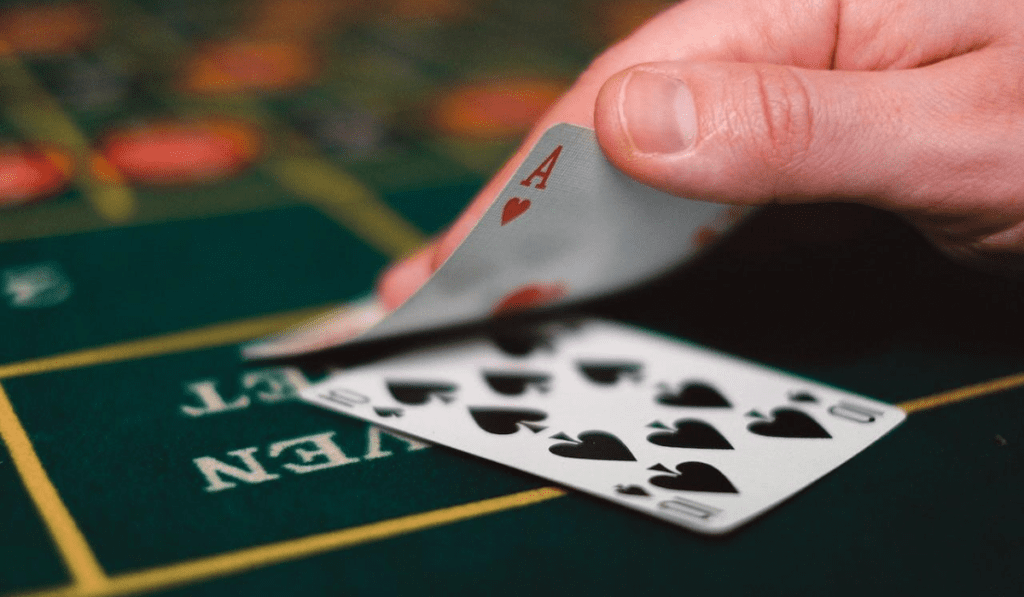
As a blackjack player, it’s essential to adjust your playing strategy based on whether the dealer hits or stands on a soft 17. While there aren’t significant modifications required, there are a few key changes to consider.
In games where the dealer hits on soft 17, it is generally advisable to:
- Double down on 11 against a dealer’s Ace.
- Double down on soft 19 against a dealer’s 6.
- Double down on soft 18 against a dealer’s 2.
In addition to these adjustments, there are more specific modifications to basic strategy based on the number of decks in play. For example, in single-deck games where the dealer hits on soft 17, it is recommended to hit soft 18 against an Ace if surrender is not allowed.
It’s important to note that these strategy adjustments may vary slightly depending on the specific rules of the game and the number of decks being used. Consulting a blackjack strategy chart or utilizing training software can help players optimize their decision-making in different scenarios.
Counting Cards and Soft 17
For advanced blackjack players who are skilled at counting cards, the soft 17 rule can impact their strategy. Card counting involves keeping track of the ratio of high-value cards to low-value cards remaining in the deck or shoe.
The soft 17 rule influences card counting decisions, particularly when it comes to doubling down. For example, in a game where the dealer stands on soft 17, a positive true count (indicating a higher proportion of high-value cards remaining) may prompt a player to double down on 11 against an Ace. In contrast, in a game where the dealer hits on soft 17, the true count required for the same decision may be different.
Counting cards accurately is a complex skill that requires practice and a deep understanding of the game. It is essential to note that card counting is not allowed in all casinos, and attempting to do so can result in being banned from the premises.
The Soft 17 Rule in Different Casinos
The soft 17 rule is not standardized across all casinos. While some casinos require their dealers to stand on a soft 17, others mandate that dealers hit. Additionally, different variations of blackjack may have their own specific rules regarding soft 17.
In the United Kingdom, for example, all blackjack games follow the “Dealer Stands on Soft 17” rule. This means that the dealer must stand on all hands worth 17, including soft 17. In contrast, in the United States, the soft 17 rule is more prevalent, with some casinos requiring the dealer to hit on a soft 17.
It’s worth noting that the soft 17 rule is not the only factor to consider when evaluating the quality of a blackjack game. Other rules, such as the number of decks, double down options, and surrender availability, can also impact the overall player experience and the house edge.
Pros and Cons of Soft 17

The soft 17 rule in blackjack has its advantages and disadvantages for both the player and the casino. Let’s explore some of the pros and cons associated with this rule.
Pros for the Player:
- When the dealer hits on a soft 17, their chances of busting increase, which benefits the player.
- In some cases, the soft 17 rule can be advantageous for card counters, as it may affect their decision-making based on the true count.
Cons for the Player:
- If the dealer hits on a soft 17 and doesn’t bust, their hand often ends up being stronger than the player’s hand.
- The soft 17 rule increases the casino’s edge over the player, resulting in a slightly lower chance of winning.
Pros for the Casino:
- When the dealer hits on a soft 17, they have the opportunity to improve their hand and potentially beat the player’s hand.
- The soft 17 rule increases the casino’s edge over the player, resulting in more profits for the casino in the long run.
Cons for the Casino:
- When the dealer hits on a soft 17, their chances of busting increase, which benefits the player.
- Players may be more inclined to choose games where the dealer stands on a soft 17, potentially leading to lower revenue for the casino.
Tips for Playing Soft 17
When faced with a soft 17 hand in blackjack, there are a few tips that players can keep in mind to optimize their strategy and increase their chances of winning:
- Understand the specific rules: Familiarize yourself with the rules of the game you’re playing, including whether the dealer hits or stands on a soft 17.
- Consult a strategy chart: Use a blackjack strategy chart or training software to determine the optimal play for each specific hand, taking into account the soft 17 rule.
- Consider the number of decks: Adjust your strategy based on the number of decks in play, as this can impact the likelihood of certain outcomes.
- Practice card counting: If you’re an advanced player skilled in card counting, consider how the soft 17 rule affects your decision-making based on the true count.
- Choose games wisely: When possible, opt for games where the dealer stands on a soft 17, as this reduces the casino’s edge and increases your chances of winning.
- Manage your bankroll: Implement proper bankroll management strategies to ensure you’re playing within your means and minimizing losses.
- Avoid superstitions: Don’t let superstitions or unfounded beliefs impact your gameplay decisions. Stick to a sound strategy based on the odds and probabilities of the game.
Conclusion
Understanding the concept of a soft 17 in blackjack is crucial for players looking to improve their gameplay and increase their chances of winning. Whether the dealer hits or stands on a soft 17 can significantly impact the game’s dynamics and the casino’s edge over the player.
By adjusting your strategy based on the specific rules of the game and considering factors like the number of decks and card counting opportunities, you can optimize your decision-making when faced with a soft 17 hand. Remember to consult strategy charts, practice proper bankroll management, and choose games wisely to enhance your overall blackjack experience.
While the soft 17 rule may present certain challenges, with knowledge, practice, and a strategic approach, players can navigate this aspect of the game and potentially come out ahead. So, the next time you encounter a soft 17, make informed decisions and enjoy the exciting world of blackjack.