
How to Master the Art of Reading Your Poker Opponents
Poker is a game of strategy, skill, and deception. One of the most crucial skills a poker player can develop is the ability to read their opponents. By deciphering their actions, behaviors, and tells, you can gain valuable insights into their hand strength and make more informed decisions at the table.
In this comprehensive guide, we will explore the top techniques and strategies to master the art of reading your poker opponents. We will delve into the psychology behind their actions and provide you with practical tips to enhance your reading skills. So, let’s dive in and become a poker master!
Understanding the Importance of Reading Your Opponents
Before we delve into the specific techniques, it’s important to understand why reading your opponents is crucial in poker. By gathering information about their hand strength, you can make more accurate assessments of the situation and adjust your strategy accordingly. Here are some key reasons why reading your opponents is essential:
- Decision-Making: Reading your opponents allows you to make better decisions throughout the hand. By understanding their likely range of hands, you can narrow down your options and choose the most optimal play.
- Bluffing Opportunities: Identifying when your opponents are weak or vulnerable presents opportunities for well-timed bluffs. If you can accurately assess their hand strength, you can exploit their weaknesses and win pots that you would otherwise lose.
- Avoiding Traps: On the flip side, reading your opponents can help you avoid falling into traps. By recognizing signs of strength, you can fold when necessary and minimize potential losses.
- Table Dynamics: Understanding the playing styles and tendencies of your opponents contributes to your overall understanding of the table dynamics. This knowledge can guide your strategic decisions and give you an edge over your opponents.
Now that we understand the significance of reading your opponents, let’s explore the top techniques and strategies to master this skill.
Technique 1: Analyzing Bet Sizing
Bet sizing is an essential aspect of poker and can provide valuable information about your opponents’ hand strength. Novice players often exhibit predictable patterns when it comes to bet sizing. By observing these patterns, you can gain insights into the relative strength of their hands.
Experienced players tend to bet different amounts with strong and weak hands. For example, a player who consistently bets a small fraction of the pot may be indicating a weak hand or a bluff. Conversely, a player who consistently bets the pot or more likely has a strong hand.
It’s crucial to pay attention to your opponents’ bet sizing throughout the hand. By tracking their betting patterns, you can start to develop a sense of what their bets mean and adjust your strategy accordingly. Remember, bet sizing is just one piece of the puzzle, so be sure to consider other factors before making your final decisions.
Technique 2: Timing Tells
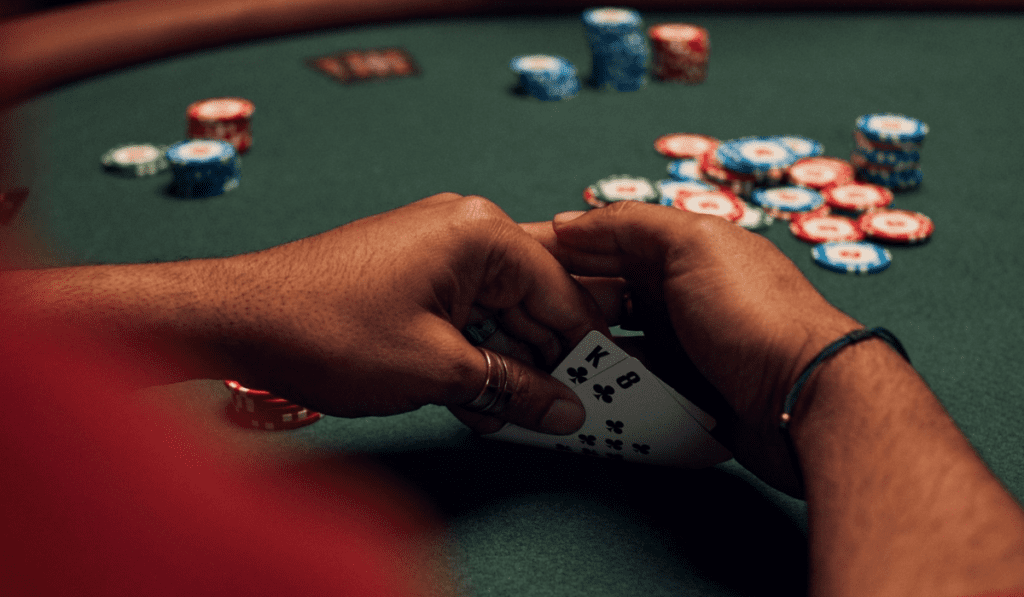
Timing tells refer to the amount of time it takes for your opponents to make their decisions. While some players have mastered the art of disguising their timing tells, many players still exhibit subconscious patterns that can reveal the strength of their hands.
In general, players tend to take longer when faced with difficult decisions or when holding strong hands. Conversely, quick decisions often indicate weaker hands or draws. By observing your opponents’ timing tells, you can gain insights into their thought processes and make more informed decisions.
However, it’s important to note that timing tells are not foolproof indicators of hand strength. Some players may intentionally alter their timing to deceive their opponents. Therefore, it’s crucial to consider timing tells alongside other factors, such as bet sizing and table dynamics, to get a more accurate picture of your opponents’ hand strength.
Technique 3: Table Talk
Table talk, or the conversations that occur at the poker table, can provide valuable insights into your opponents’ mindsets and hand strength. Pay attention to any sudden changes in behavior or speech patterns, as they may indicate a shift in hand strength or strategy.
According to studies on poker psychology, players tend to be more relaxed and chatty when they have strong hands. On the other hand, players who are bluffing or trying to conceal their hand strength may become more quiet or reserved. By observing these changes in behavior, you can gain valuable information about your opponents’ likely hand strength.
However, it’s important to exercise caution when interpreting table talk. Some players may intentionally engage in reverse psychology or misdirection to deceive their opponents. Therefore, it’s crucial to consider table talk alongside other factors and use it as just one piece of the puzzle in your overall assessment.
Technique 4: Non-Verbal Cues
Non-verbal cues, such as body language and facial expressions, can be powerful indicators of your opponents’ hand strength. While some players are skilled at maintaining a “poker face,” many players display subtle physical tells that can reveal valuable information.
- Eye Contact: Direct eye contact can be a strong indicator of hand strength. Players who avoid eye contact or exhibit prolonged stares may be trying to conceal their emotions or bluff their opponents. Conversely, players who maintain steady eye contact may be more confident in their hand.
- Glancing at Chips: Pay attention to your opponents’ reactions when they see their hole cards or the community cards. Players who quickly glance at their chips after seeing favorable cards may be displaying a greedy mindset, indicating a strong hand. Conversely, players who show little interest in their chip stack may be signaling weakness.
- Nervous Behaviors: Nervous behaviors, such as fidgeting, sweating, or trembling hands, can be signs of a weak hand or a bluff. Players who are anxious about their hand strength may display these physical tells unconsciously.
- Staring at Hole Cards or the Board: Players who fixate on their hole cards or the board may be trying to hide any signs of weakness. This behavior often indicates a bluff or a strong hand that they are trying to conceal.
Remember, non-verbal cues should be considered in conjunction with other factors, such as bet sizing and table dynamics. While they can provide valuable insights, they are not foolproof indicators of hand strength.
Technique 5: Voice Recognition
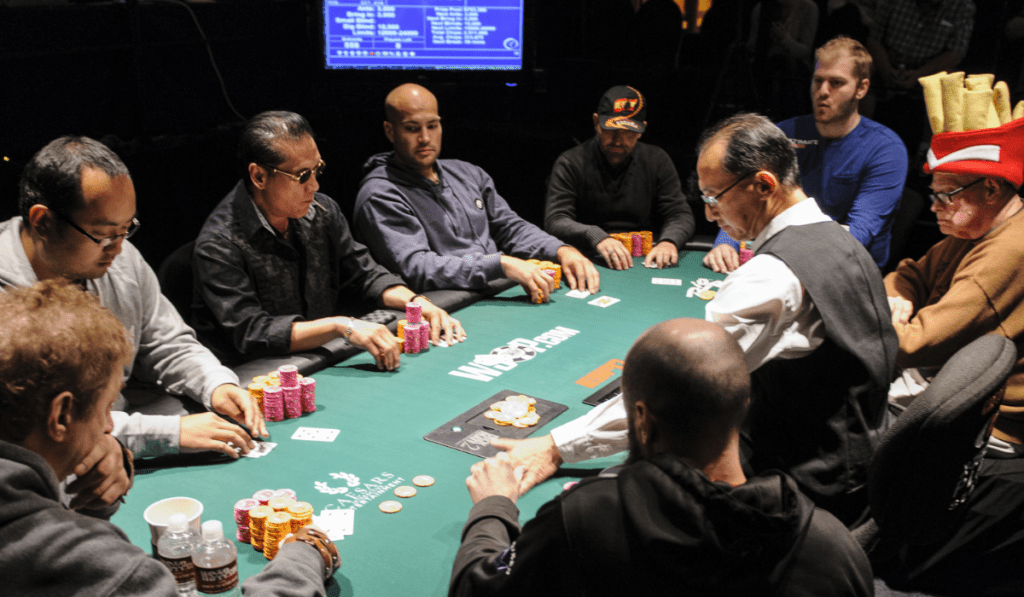
Voice recognition refers to the subtle changes in a player’s voice that can indicate their hand strength or level of excitement. Some players may exhibit vocal telltale signs when they hit a big hand or when they are bluffing.
- Unnatural Voice: When players become excited or nervous, their voice may sound unnatural or strained. This could be a sign that they have a strong hand and are trying to conceal their excitement.
- Volume and Tone: Pay attention to any changes in volume or tone when your opponents speak. An increase in volume or a shaky tone may indicate a strong hand, while a more calm and composed tone may suggest a weak hand or a bluff.
- Verbal Expressions: Listen for any verbal expressions, such as exclamations or sighs, that may indicate the strength or weakness of your opponents’ hands. These vocal cues can provide valuable insights into their emotional state and hand strength.
Voice recognition requires attentive listening and keen observation. While it can be a valuable tool in your arsenal, it’s important to consider voice recognition alongside other factors to ensure a more accurate assessment of your opponents’ hand strength.
Technique 6: Nervous Betting
Nervous betting refers to the behavior exhibited by players who become anxious or uncomfortable when placing their bets. These players may exhibit physical signs of nervousness, such as dropping chips, fumbling with their chips, or struggling to determine the exact amount of their wager.
Nervous betting is often a strong indicator of a strong hand. Players who are holding a monster hand may feel the pressure of maintaining their composure and struggle to execute their bets smoothly. If you observe these signs of nervous betting, it’s usually a signal that you are facing a strong hand, and caution should be exercised in your decision-making process.
However, it’s important to note that some players may intentionally fake nervousness to deceive their opponents. Therefore, it’s crucial to consider nervous betting alongside other factors and use it as just one piece of the puzzle in your overall assessment.
Technique 7: Acting Super Strong
Acting super strong is a common tell that inexperienced players often exhibit. When players have a weak hand, they may overcompensate by acting overly confident or unconcerned about their opponents’ actions. This behavior is typically a bluffing technique to intimidate their opponents into folding.
Experienced players are less likely to exhibit this tell, as they understand the importance of maintaining a balanced approach. However, when facing less experienced opponents, it’s important to be wary of this tell and consider it as a potential bluff.
It’s essential to consider acting super strong alongside other factors, such as bet sizing and table dynamics, to make an accurate assessment of your opponents’ hand strength.
Conclusion
Mastering the art of reading your poker opponents is a skill that can greatly enhance your gameplay and give you an edge at the table. By analyzing bet sizing, timing tells, table talk, non-verbal cues, voice recognition, nervous betting, and acting super strong, you can gain valuable insights into your opponents’ likely hand strength.
However, it’s important to remember that reading your opponents is not an exact science. It requires keen observation, practice, and the ability to interpret multiple factors simultaneously. Additionally, it’s crucial to use reading techniques alongside sound poker strategy and game theory principles.
So, the next time you sit down at the poker table, use these techniques to your advantage and become a master at reading your opponents. Good luck and may the cards be in your favor!